
What's included
Scope is written before work starts so owners and GCs share the same plan and clearance is never a surprise, including the project records New Jersey jobs typically require.
- Pre-job review of surveys and material locations
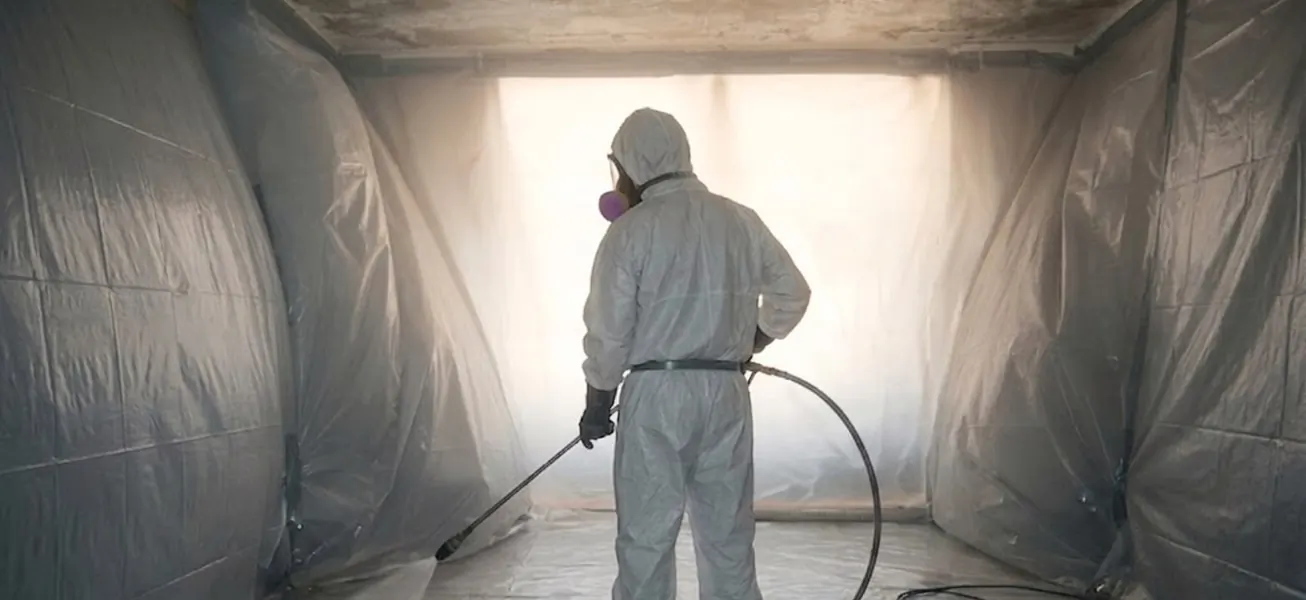
- Containment, negative air, and worker protection setup
- Removal or encapsulation per agreed method
- Waste handling and transport documentation to licensed facilities
- Visual clearance support and project closeout records
Process
- Step 01
Confirm materials & access
We align on what's ACM, what's adjacent, and how occupants stay clear of the work zone, plus any notification or permit needs, before a single barrier goes up.
- Step 02
Build containment & remove
Barriers go up first, and removal is sequenced to keep fiber control the priority from the first cut to the last. Negative air runs for the duration.
- Step 03
Clear & document
Hand-off includes the paperwork the next trade and the owner need on file: visual clearance, waste tickets, and project photos.
Why containment is non-negotiable
Asbestos fibers are microscopic and odorless, so there's no smell or visible dust to warn you when containment fails. Disturbed material releases fibers that travel well past the room they started in, and improper removal creates legal exposure for the property owner under New Jersey rules. Negative air, poly barriers, and a proper decontamination sequence keep the hazard in the work zone instead of spreading through the rest of the building.
Planning asbestos abatement?
Send the survey notes or a site description. We will outline containment approach and timing, and provide a free estimate.